


Zimbabwe Land Reform Music: A Soundtrack for Change
Discover how music shaped Zimbabwe’s land reform (2000–2010), from Chimurenga songs to political mobilization. Explore its impact on politics and society.
10/14/20254 min read
Imagine a nation at a crossroads, where the fight for land becomes a battle of ideas, voices, and rhythms. In Zimbabwe, from 2000 to 2010, the land reform program wasn’t just about redistributing farmland—it was a cultural and political upheaval, with music as its heartbeat. From revolutionary Chimurenga music to gospel songs crying out for justice, Zimbabwe land reform music became a powerful tool for rallying support, expressing dissent, and shaping public opinion. Let’s dive into how music fueled this turbulent era and what it reveals about Zimbabwe’s struggle for change.
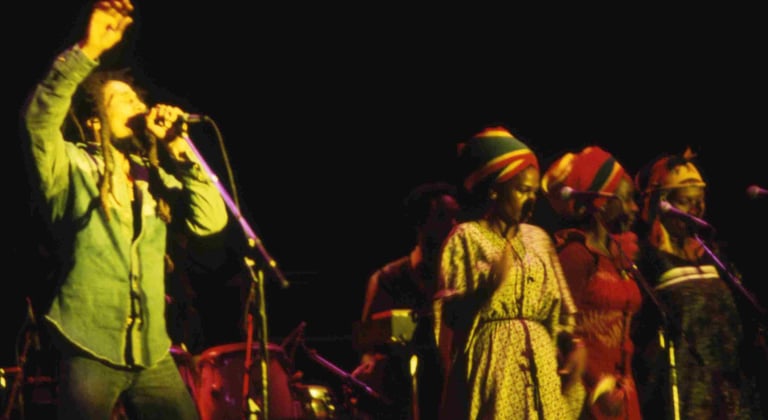
The Land Reform Storm: A Brief History
Zimbabwe’s land reform program, often called the “Third Chimurenga,” was a seismic shift in the country’s history. Sparked in 2000, it aimed to correct colonial-era land inequalities, where 4,500 white commercial farmers owned vast swaths of fertile land while millions of Black Zimbabweans were confined to overcrowded reserves. The 1979 Lancaster House Agreement promised funds for land redistribution, but when Britain failed to deliver, frustration grew among war veterans and landless communities.
By 2000, the rise of a strong opposition party, the Movement for Democratic Change (MDC), and the rejection of a government-backed referendum signaled trouble for the ruling ZANU (PF) party. War veterans, trained and united from Zimbabwe’s independence struggle, took matters into their own hands, occupying white-owned farms with revolutionary songs and ritual dances. What followed was the “fast track land reform”—a chaotic, often violent process that reshaped Zimbabwe’s economy and society, leading to hyperinflation and Western sanctions.
Music as a Political Weapon
In this charged atmosphere, music wasn’t just background noise—it was a weapon of ideology. Chimurenga music, born during Zimbabwe’s fight for independence, re-emerged as a rallying cry. Named after the Shona word for “struggle,” Chimurenga songs had long been a way to unite people against oppression. During the land reform, ZANU (PF) leaned heavily on this genre to push its “return the land to its rightful owners” message, framing the reform as a continuation of the anti-colonial fight.
Songs became tools for mobilization, with lyrics celebrating war veterans and vilifying perceived enemies. The government even commissioned musicians to produce tracks supporting the reform, turning music into a megaphone for propaganda. But not all artists towed the party line. Some, especially gospel musicians, used their songs to highlight the economic hardship and social chaos caused by the reforms, giving voice to the marginalized
Explore the history of Chimurenga music at https://www.wonderfulzimbabwe.com/tag/zimbabwe-music/
Chimurenga and Cultural Nationalism
The land reform wasn’t just about land—it was about identity. ZANU (PF) tapped into cultural nationalism, using music to stoke pride and rally rural communities, especially those near white-owned commercial farms. The “Third Chimurenga” became a cornerstone of the party’s manifesto, with songs reinforcing the narrative of reclaiming stolen land. Musicians like those studied by A.J.C. Pongweni (1982, updated 2023) became conduits for this message, blending indigenous rhythms with political fervor.
Chimurenga music, in particular, carried a legacy of resistance. From the First Chimurenga (1896–1897) to the liberation war of the 1970s, it had always been a soundtrack for defiance. In the 2000s, it was repurposed to “conscientize” Zimbabweans, reminding them of their anti-colonial roots. Yet, this wasn’t without controversy—some saw it as propaganda, accusing the government of manipulating artists to drown out dissent
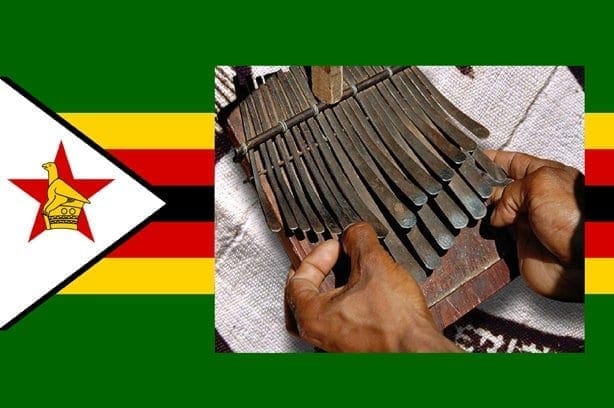
Voices of Dissent: Music as Resistance
Not all musicians sang the government’s tune. The rise of the MDC and growing economic woes gave birth to a counter-narrative in Zimbabwe political music. Gospel artists, in particular, shifted from spiritual themes to social commentary around 2000. Their songs spoke of hyperinflation, unemployment, and the violence of farm occupations, resonating with those who felt the reforms had gone wrong. These musicians, often refusing government co-optation, became a voice for the voiceless, challenging the chaos of the “fast track” era.
This duality—music as both propaganda and protest—shows its power as a tool for political expression. Artists repositioned themselves as events unfolded, some supporting ZANU (PF)’s vision, others critiquing it. The local music scene became a battleground of ideas, with song lyrics, performances, and even dance moves reflecting the nation’s divides.
The Bigger Picture: Music, Politics, and Society
The role of Zimbabwe land reform music goes beyond the 2000–2010 period—it’s a case study in how culture shapes politics. Pongweni’s research, based on interviews with musicians, analysts, and political figures, reveals how music articulated both hope and frustration. Scholars like Claude Mararike emphasized land as central to African identity, while others, like Scoones et al., noted that debates about the reform were often more ideological than grounded in reality.
Music didn’t just reflect the times—it shaped them. It mobilized communities, influenced public opinion, and even swayed political outcomes. But it also raised concerns about manipulation, with some musicians pressured to align with the ruling party’s agenda. This tension highlights a key question: how can music remain a tool for authentic expression in the face of political agendas?
Challenges and Future Directions
Studying the role of music in Zimbabwe’s land reform isn’t easy. Research is limited, as Pongweni notes, with much focus on the reform’s economic or political impacts but little on its cultural dimensions. The complexity of perceptions—some see the reform as a triumph of justice, others as a descent into chaos—makes it hard to pin down a single narrative. Future research could explore how music continues to shape Zimbabwe’s political discourse and whether its role has evolved post-2010.
Why It Matters Today
The Zimbabwe land reform music story is a reminder of culture’s power to shape history. Music didn’t just comment on the land reform—it drove it, rallying supporters and amplifying dissent. For policymakers, it’s a lesson in the need to engage with cultural forces when tackling social issues. For us, it’s a call to listen closely to the songs that define a nation’s struggles.
Want to dive deeper? Share this post to spark a conversation, explore our articles on African cultural movements, or support Zimbabwean artists telling their stories. Let’s keep the rhythm of change alive.
we are committed to providing the finest academic work at affordable prices, while safeguarding your information with the highest security measures.
Check out our social media!
Website infomation
Legal information

Customer information
Site map
Here at the beaver press: